
The Hidden Danger: How Incomplete Air Quality Inspections Miss Mold in HVAC Systems, Carpets, and Wall Cavities
People who arrange an air quality inspection want to know for sure that their indoor environment is safe. Sadly, a lot of inspections merely look at the surface. Even if reports say everything is “normal,” mold can still be growing in HVAC systems, deep in carpets, or even inside wall cavities without anyone knowing.
Not doing all the tests gives people a false sense of security, which lets mold problems get worse over time. Knowing what inspections don’t cover and what a full inspection should contain can mean the difference between a safe home and a dangerous, expensive issue.
Why standard air quality checks often miss mold
A lot of air quality tests just use a few procedures, such as taking brief air samples from one or two rooms. These tests can find mold spores in the air at that particular moment, but they don’t show where mold is hiding.
Mold does not grow uniformly in a building. It does well in hidden places where moisture collects and air can’t move around much. If spores are stuck in walls, ducting, or thick materials like carpet padding, they may not show up in airborne samples until the contamination gets really bad.
This means that a building can have a lot of mold and still get air sample readings that are “acceptable.”
HVAC Systems: A Major but Overlooked Mold Reservoir
HVAC systems are one of the most prevalent areas for mold to grow, but they are also one of the most typical things that inspectors miss.
When dust and organic material mix with moisture from condensation, they make the perfect conditions for mold to thrive. Favorite growing spots are:
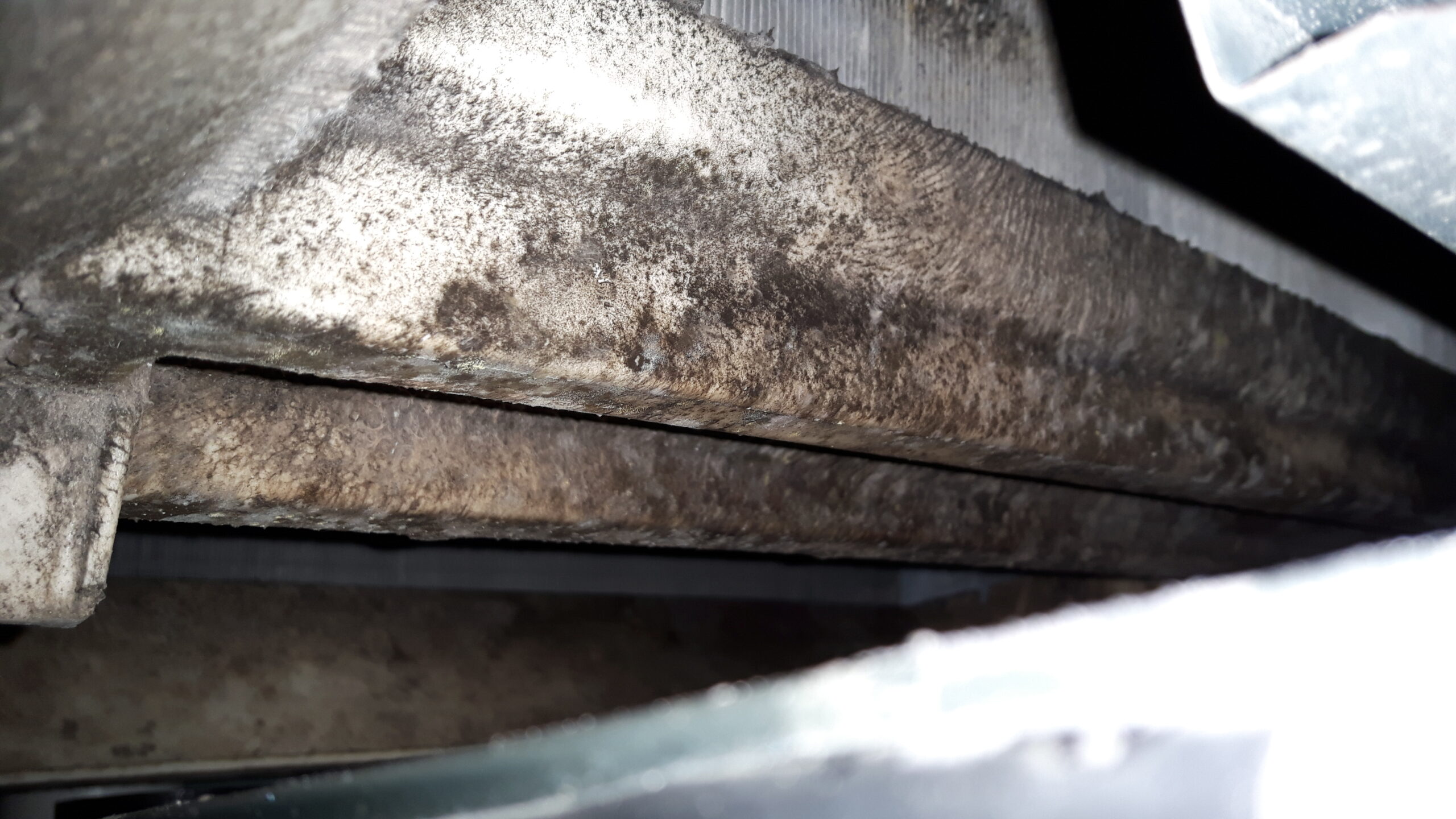
• Ducts
• Evaporator coils
• Drain pan under air conditioning coil
• Compartments for blower and filter
• Insulation in the air handler
Once mold gets inside the HVAC system, it usually stays in but it can release a gas called Microbial Volatile Organic Compounds (MVOCs) which is the musty odor emitted by molds during their digestive process. This is why when the A/C season starts you may notice a “wet sock” or musty odor coming out of your vents. This is a sure sign that mold is present and reactivating inside the HVAC unit. But an air sample won’t capture this gas because air samples look for spores.
Carpets and Carpet Padding: Hidden Mold Beneath the Surface
Over time, carpets work like filters, trapping dust, dirt, moisture, and mold spores. When water gets into carpet fibers, it can get into the padding and subfloor. This can happen via carpet shampooing, spills, humidity, pet accidents, leaks, or flooding.
A lot of the time, mold grows under the carpet, where you can’t see it from above.
This kind of contamination might not show up in regular air samples because:
• Mold spores can get stuck in the fibers of carpets.
• The spores may not be disturbed enough by airflow to be found
• The time for sampling may not be long enough
• Testing may not occur near the contamination source
If you don’t test the carpet and padding, mold can grow under the floor for years without you knowing.
Mold Inside Wall Cavities: The Most Commonly Missed Contamination
Wall cavities are great places for mold to grow, especially when there is hidden moisture from:
- Leaks in the plumbing
- Leaks in the roof
- Leaks from windows
- Water droplets (condensation)
- Damage from flooding
- Not enough insulation
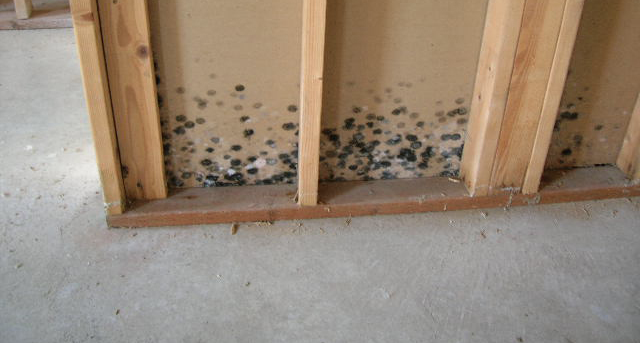
Mold can develop on drywall, wood frame, insulation, and other structural materials without leaving any apparent symptoms on the wall surface.
Air samples might not show mold inside walls because the spores are trapped in small spaces. Testing may not show the full degree of contamination unless there is vigorous airflow bringing spores into the space.
Inspectors can easily miss mold that is hidden behind walls even if they use moisture meters and infrared cameras because these tools only work if the wall is still wet. If the wall got wet several months ago from an ice dam or a roof leak, everything inside the wall is dry but mold is still there waiting for the right temperature and humidity.
This also explains why on some days you will notice a musty odor coming out of an outlet but some days you don’t. If the wind is blowing towards that side of the house, the mold gas inside the wall will come into the room and be noticeable. Other times, it won’t.
The Limitations of Air Sampling Alone
Air sampling is a helpful instrument, but it has several limitations. It shows you what particles are in the air at a certain time, but it doesn’t provide you a full picture of the building’s state.
Since mold is typically buried in things instead than floating around in the air, only looking at air samples can lead to wrong or partial results.
What a Comprehensive Mold and Air Quality Inspection Should Include
A thorough inspection goes beyond basic air sampling and includes multiple methods to locate hidden mold sources.
A complete inspection should involve:
Testing of HVAC components
Inspectors should test the evaporator coil area, ductwork, drains pans, ducts or any combination of these. If the system is older, testing for bacteria and yeasts in addition to molds may be helpful because these can cause health effects and even infections.
Moisture detection
Using moisture meters and infrared cameras may identify hidden moisture behind walls, ceilings, and floors but if water damage is not recent, materials are now dry so these tools are not sufficient. Testing inside wall cavities is a must.
Assessment of building history
Past leaks, flooding, toilet or tub overflows, old windows or humidity issues provide critical context for identifying hidden mold risks and should be followed up with testing of wall cavities, especially if occupants are symptomatic.
The Risks of Incomplete Inspections
When mold is missed, the consequences can escalate over time.
Hidden mold can lead to:
- Persistent musty odors
- Ongoing health symptoms for occupants
- Worsening contamination
- Rot, decay and structural damage of building materials
- Reduced property value
- Increased remediation costs
According to the EPA, rippling of wall coverings , cracked drywall tape, peeling paint or other signs of water damage “frequently indicate that water has leaked, and hidden mold growth and damage are likely.”
Early detection is critical. The longer mold remains hidden, the more difficult and expensive remediation becomes. Complete inspections provide clarity, not false reassurance.
Final Thoughts: Don’t Settle for Air Samples in a few rooms
If you think there might be mold, have unexplained health problems, or smell musty smells, it’s important to choose an inspection that looks at the whole building and not just the air in a few areas.
Mold that is hidden doesn’t just go away on its own. To find it, you need experience, the right tools, and a careful, organized plan.
A full inspection protects your health and your money.
If you are concerned about mold in your building, consider scheduling a comprehensive inspection that includes testing of HVAC systems, carpeting, and wall cavities. Call or Text Indoor Environmental Testing at 608-448-6768 (Madison, WI) or 615-576-0808 (Nashville, TN).You can also book an appointment online at www.airinspector.com
Related Posts
Surface Mold in Your Home: New Study Shows It Becomes Airborne in Seconds

The Debilitating Path of Environmental Illness — And Why So Many Homes “Test Clean”

HVAC Systems: The Silent Distributor of Contamination

Why Your Last Mold Inspection Found Nothing (But You’re Still Sick)

Mold Beta-Glucan Testing: Detecting Hidden Fungal Contamination in Buildings
