
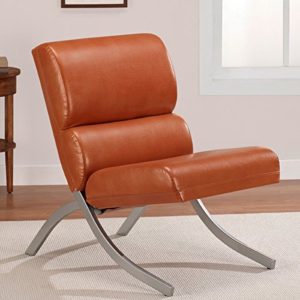
Favor smooth-surfaced furniture (faux-leather, microfiber) over cloth upholstery, hard surfaced flooring over carpeting, metal or wood window treatments over draperies. Reducing clutter is essential to keeping dust down.


Check for leaky clothes dryer vents.
Implement a no-shoe-policy to reduce bringing outdoor pollutants.
Showering in the evening will reduce dust particles deposited from hair onto pillows, linens and into the bedroom.
For people who work outdoors and/or in polluted environments i.e. farmers, gardeners, carpet cleaners, mechanics, pest control applicators, construction workers and people who work in basements often like plumbers, heating & cooling contractors, pest control applicators etc., removing work clothes immediately upon returning home is essential to prevent “shedding” mold fragments, road dust, mouse and cat allergens, pesticides, etc. from clothing and hair. Use tacky mats and have shoe covers available when workers are going in and out of the house.
Most importantly, never let your cleaning service use its own vacuum cleaner in your home. The majority of vacuums leak very fine particles into the air, adding pollutants in your home from warehouses with rodents, office buildings with pesticide applications, and homes with mold and dander. If dust is going to be leaked in your home from a vacuum, it should be your dust, better yet, buy a non-leaky vacuum like Miele or Sebo.
Related Posts
The Debilitating Path of Environmental Illness — And Why So Many Homes “Test Clean”

HVAC Systems: The Silent Distributor of Contamination

Why Your Last Mold Inspection Found Nothing (But You’re Still Sick)

Mold Beta-Glucan Testing: Detecting Hidden Fungal Contamination in Buildings

Danger Level 3: Toxic Compounds — The Invisible Indoor Pollutants with Serious Health Risks
