
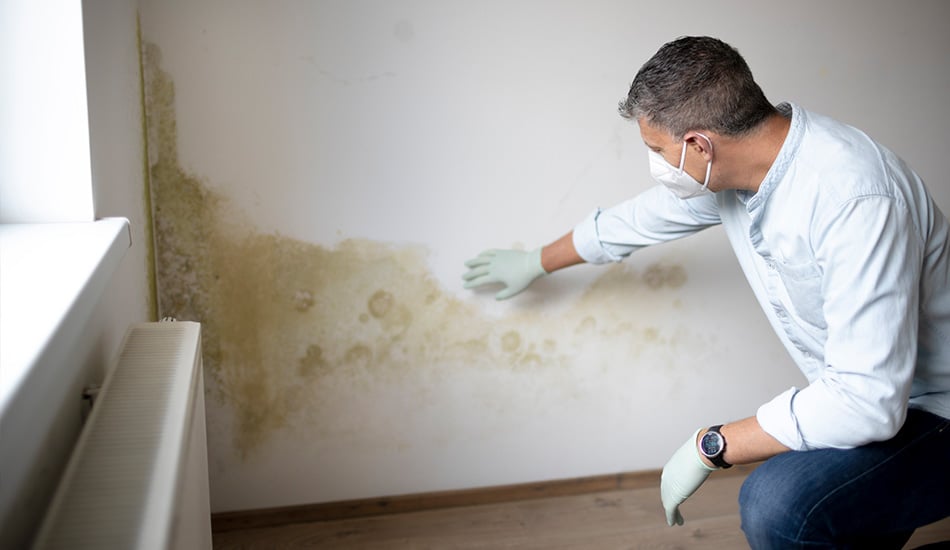
Mold can be a frightening discovery when buying or selling a home. Buyers worry about what might be hidden behind the walls, and sellers worry that a mold problem could derail the sale.
After years of conducting environmental assessments for both buyers and sellers, we’ve seen some surprising situations. Homes with serious mold contamination have sold, sometimes without the buyers being particularly concerned. Meanwhile, buyers have walked away from homes with relatively minor problems.
What we’ve learned is that mold doesn’t always determine whether a house sells. Often, it’s the buyer’s perception of the problem that makes the difference.
When Serious Mold Problems Don’t Stop a Sale
We’ve assessed homes with extensive water damage from roof leaks, where testing revealed elevated mold levels inside most of the wall cavities.
These weren’t small, isolated problems. The findings suggested widespread contamination that could require opening numerous walls and removing affected building materials.
You might assume discoveries like these would make a home impossible to sell. But in our experience, even these severely affected homes eventually sold.
In some situations, sellers were prepared to substantially reduce their asking price to compensate for the mold. Yet some buyers weren’t particularly concerned. They might have been planning extensive renovations anyway, or they simply didn’t view mold as a major issue.
It’s an interesting reminder that what one buyer considers a deal breaker, another may consider a manageable renovation expense.
Sometimes a Much Smaller Problem Ends the Deal
We’ve also seen the opposite situation.
A buyer hires us to assess a home before purchasing, and we discover a relatively minor mold problem, such as localized contamination around a window that previously leaked or a small area of mold growth under a kitchen sink.
These are generally manageable problems that can be corrected without extensive remediation. Yet some buyers, particularly those who are highly sensitive to mold or have experienced health problems associated with previous exposures, may decide not to proceed with the purchase.
What one buyer considers a routine repair, another may consider a deal breaker.
Why More Sellers Are Testing Before Listing
We also work with homeowners who want to know whether their property has a mold problem before putting it on the market. This can be a very smart decision.
For example, we sometimes find basement mold associated with poor grading around the foundation. Rainwater has been directed toward the house rather than away from it, creating moisture conditions that support mold growth.
When identified early, the homeowner has an opportunity to correct the drainage problem and complete any warranted remediation before listing the property.
Compare that with discovering the same problem during a buyer’s assessment, when everyone is under pressure to meet a closing deadline.
Finding out ahead of time gives sellers more control over the situation.
Do You Have to Disclose Mold When Selling Your Home?
This is one of the most common questions homeowners ask us, especially when they’re considering having their property tested before putting it on the market.
Some sellers are concerned that if testing reveals mold, they’ll be legally obligated to disclose it to potential buyers. That concern sometimes makes homeowners hesitant to investigate a suspected problem.
In Wisconsin, sellers of most residential properties are required to complete a Real Estate Condition Report that addresses known defects, including certain water intrusion and mold-related conditions. Tennessee and other states have their own disclosure requirements.
Having a mold assessment doesn’t necessarily mean your home will be harder to sell. In fact, identifying a problem, correcting the moisture source, completing appropriate remediation, and documenting the work can give prospective buyers greater confidence in the property.
What sellers should understand is that ignoring a suspected problem doesn’t necessarily eliminate their disclosure obligations. Disclosure requirements depend on state law, the seller’s knowledge, and the circumstances of the property.
If you’re uncertain about what must be disclosed, consult your real estate agent or a qualified real estate attorney.
The goal isn’t to find reasons a house can’t be sold. It’s to identify problems early enough that they can be addressed before they become obstacles to a successful transaction.
The Problems Nobody Knew Were There
One of the most important things we’ve learned is that a home can look perfectly normal while having significant hidden mold contamination.
We’ve tested wall cavities in homes where previous water leaks had caused moisture to travel through the structure. The visible surfaces didn’t necessarily reveal the extent of the damage.
A standard home inspection might identify evidence of an old leak, but it generally won’t determine what’s growing inside those wall cavities.
So, Is Mold a Deal Breaker?
Not necessarily. The important thing is understanding what you’re dealing with.
Is the mold limited to one area, or is it widespread? Has the moisture source been corrected? How extensive will remediation be? And is the buyer comfortable with the findings?
For sellers, identifying problems before listing can prevent unpleasant surprises. For buyers, knowing the actual conditions can help distinguish a manageable repair from a potentially expensive project.
Our Advice After Years of Testing Homes
Don’t assume a house is problem-free because there’s no visible mold. And don’t assume a house with mold is automatically a bad investment. We’ve seen both extremes.
The best decisions are made with accurate information, not assumptions.
Whether you’re buying, selling, or simply trying to understand the condition of your home, a thorough environmental assessment can provide valuable answers.
Indoor Environmental Testing, Inc.
We detect what you suspect.
www.airinspector.com
Related Posts
Was Your Mold Remediation Done Correctly? Don’t Ignore the Warning Signs.

CAN MOLD HIDDEN INSIDE YOUR WALLS AFFECT THE AIR YOU BREATHE? TWO NEW SCIENTIFIC STUDIES SHED LIGHT ON THE ANSWER.

Mold Dog Inspections: What They Can and Can’t Tell You

Why She Smells It and He Doesn’t

Why Carpeting in Basements Often Leads to Mold Problems
