We detect what you suspect.

Can You Sell a House with Mold? Essential Guide for Sellers.

Can You Sell a House with Mold? Essential Guide for Sellers
 

Image

Introduction

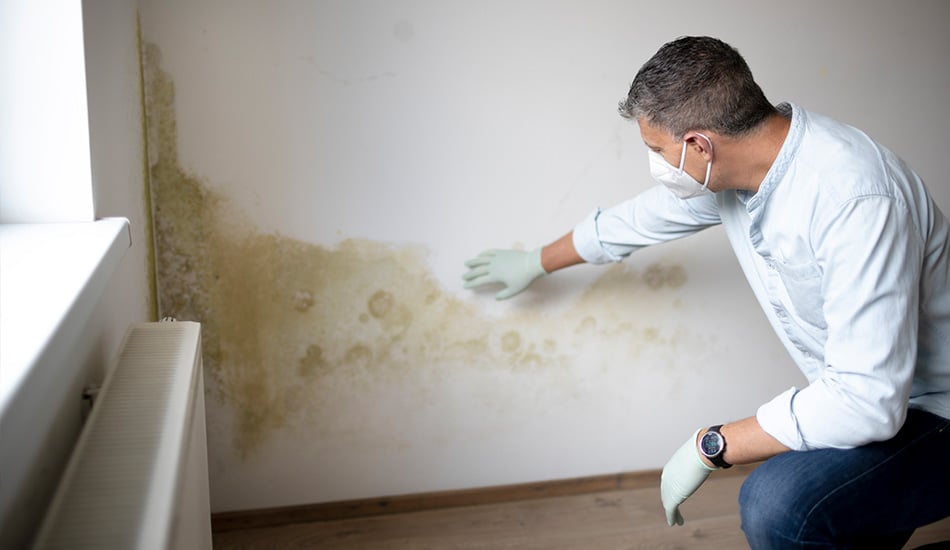
Can you sell a house with mold? Yes — but it can significantly impact your home’s value, buyer interest, and financing approval.

If you’re a homeowner, investor, or planning to list your property, understanding how mold affects the value of your property is critical. Mold is more than a cosmetic issue — it can lower your market price, delay closing, and even prevent buyers from securing a mortgage.

In this guide, we’ll explain how to sell a house with mold, what the legal requirements are, and how to protect your investment.


1. Can You Sell a House with Mold? Appraisal Phase.

One of the biggest concerns when selling a house with mold is the home appraisal.

Licensed appraisers evaluate:

  • Structural integrity

  • Visible damage

  • Environmental hazards

  • Overall maintenance condition

Mold signals potential moisture and structural issues, which may result in:

  • Lower appraised value

  • Required remediation before loan approval

  • FHA/VA loan delays

  • Reduced buyer confidence

Even minor mold contamination can reduce property value by 10–20%, depending on severity and buyer perception.


2. Buyer Perception: Why Selling a House with Mold Is Harder

Today’s buyers are cautious. When mold appears in a home inspection report, it often leads to:
  • Price renegotiation

  • Repair contingencies

  • Requests for professional mold testing

  • Deal cancellations

Because mold exposure is linked to respiratory issues, allergies, and asthma, many buyers avoid properties with a mold history — even after remediation.

This stigma can affect resale value long-term.


3. Legal Disclosure: Are You Required to Report Mold?

If you’re wondering, “Can you sell a house with mold without telling the buyer?” — the answer is usually no.

Most states legally require sellers to disclose known material defects, including mold and water damage. Failure to disclose can result in:

  • Lawsuits

  • Contract cancellation

  • Financial penalties

  • Post-sale liability

Transparency protects you legally and builds buyer trust. For additional details about this topic see this article by Stoner Law Offices.


4. Structural Damage That Lowers Home Value

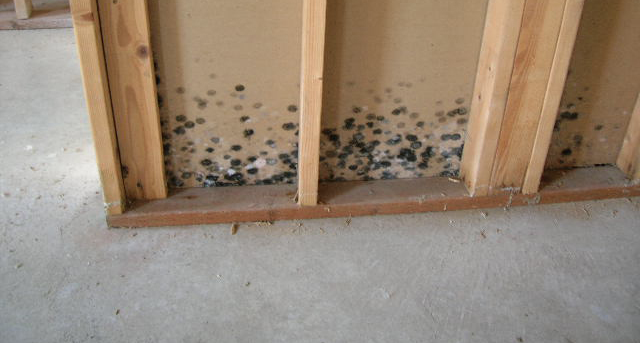
Mold feeds on organic materials such as:

  • Wood framing

  • Drywall

  • Subflooring

  • Insulation

  • Carpeting

If left untreated, it can weaken structural components and require costly repairs. Extensive remediation can cost thousands of dollars, directly reducing your net profit when selling.


5. Mold Remediation vs. Selling As-Is

Professional mold remediation typically costs:

  • $500–$1,500 for small areas

  • $2,000–$6,000+ for larger contamination

While you can sell a house with mold as-is, most sellers choose remediation before listing to:

  • Increase buyer confidence

  • Improve appraisal results

  • Avoid large price reductions

  • Sell faster

In most cases, remediation costs less than the price reduction buyers will demand.


How to Sell a House with Mold the Right Way


Step 1: Identify the Moisture Source

Fix leaks, roof damage, plumbing failures, or drainage issues.

Step 2: Hire an Independent Mold Inspector

A third-party inspector can assess contamination levels and recommend remediation scope.

Step 3: Complete Professional Mold Remediation

Certified professionals remove affected materials and treat impacted areas.

Step 4: Conduct Post-Remediation Testing

Clearance testing provides proof that mold was removed and levels are safe.

Step 5: Document Everything

Provide buyers with:

  • Inspection reports

  • Remediation invoices

  • Clearance test results

This documentation significantly reduces negative impact on resale value.


Frequently Asked Questions

Can you legally sell a house with mold?

Yes, but you must disclose known issues according to state property disclosure laws.

Does mold always lower property value?

Typically yes. Mold can reduce value by 10–30% depending on severity and market conditions.

Will buyers walk away from a house with mold?

Some will. Others may negotiate a lower price or request remediation before closing.

Is it better to remediate mold before selling?

In most cases, yes. Remediation often costs less than the price reduction buyers demand.


Final Thoughts: Should You Sell a House with Mold?

So, can you sell a house with mold? Absolutely — but how you handle it determines your financial outcome.

Ignoring mold can cost you thousands in price reductions, legal risk, and delayed sales. Addressing it proactively protects your property value and builds buyer trust.

If you suspect mold before listing your home, acting early is one of the smartest financial decisions you can make.


Local Mold Inspection & Pre-Sale Testing

If you’re preparing to sell in:

  • Nashville, TN

  • Madison, WI

Contact Indoor Environmental Testing for a pre-sale mold inspection:

📞 Nashville: (615) 576-0808
📞 Madison: (608) 448-6768
🌐 www.airinspector.com

Professional documentation can make the difference between a smooth closing and a failed contract.

The Hidden Danger: How Incomplete Air Quality Inspections Miss Mold in HVAC Systems, Carpets, and Wall Cavities

The Hidden Danger: How Incomplete Air Quality Inspections Miss Mold in HVAC Systems, Carpets, and Wall Cavities

People who arrange an air quality inspection want to know for sure that their indoor environment is safe. Sadly, a lot of inspections merely look at the surface. Even if reports say everything is “normal,” mold can still be growing in HVAC systems, deep in carpets, or even inside wall cavities without anyone knowing.

Not doing all the tests gives people a false sense of security, which lets mold problems get worse over time. Knowing what inspections don’t cover and what a full inspection should contain can mean the difference between a safe home and a dangerous, expensive issue.

Why standard air quality checks often miss mold
A lot of air quality tests just use a few procedures, such as taking brief air samples from one or two rooms. These tests can find mold spores in the air at that particular moment, but they don’t show where mold is hiding.

Mold does not grow uniformly in a building. It does well in hidden places where moisture collects and air can’t move around much. If spores are stuck in walls, ducting, or thick materials like carpet padding, they may not show up in airborne samples until the contamination gets really bad.

This means that a building can have a lot of mold and still get air sample readings that are “acceptable.”


HVAC Systems: A Major but Overlooked Mold Reservoir

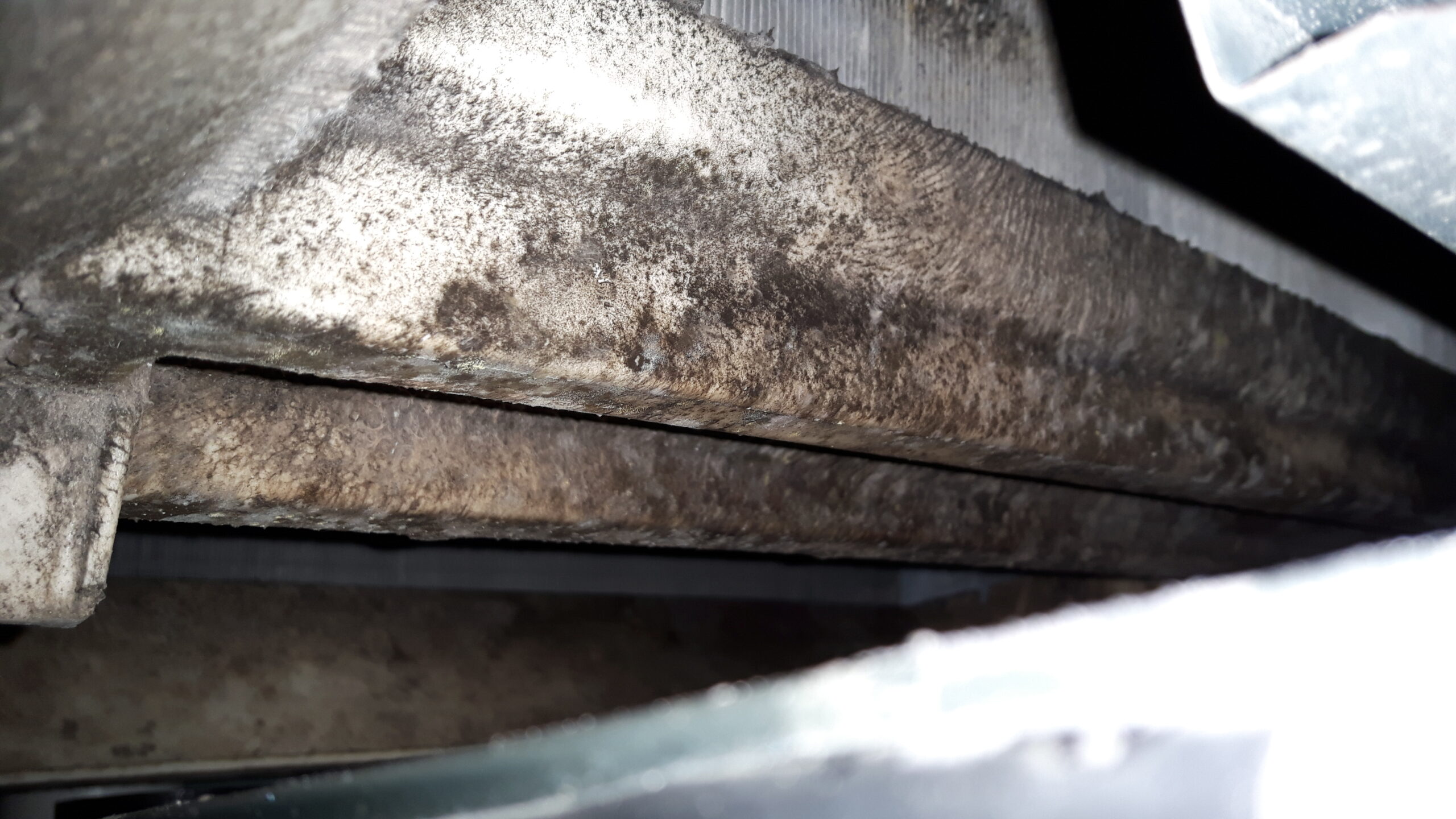
HVAC systems are one of the most prevalent areas for mold to grow, but they are also one of the most typical things that inspectors miss.
When dust and organic material mix with moisture from condensation, they make the perfect conditions for mold to thrive. Favorite growing spots are:

Mold underneath HVAC Coil

• Ducts
• Evaporator coils
• Drain pan under air conditioning coil
• Compartments for blower and filter

• Insulation in the air handler

Once mold gets inside the HVAC system, it usually stays in but it can release a gas called Microbial Volatile Organic Compounds (MVOCs) which is the musty odor emitted by molds during their digestive process. This is why when the A/C season starts you may notice a “wet sock” or musty odor coming out of your vents. This is a sure sign that mold is present and reactivating inside the HVAC unit. But an air sample won’t capture this gas because air samples look for spores.

Carpets and Carpet Padding: Hidden Mold Beneath the Surface

Over time, carpets work like filters, trapping dust, dirt, moisture, and mold spores. When water gets into carpet fibers, it can get into the padding and subfloor. This can happen via carpet shampooing, spills, humidity, pet accidents, leaks, or flooding.

A lot of the time, mold grows under the carpet, where you can’t see it from above.
This kind of contamination might not show up in regular air samples because:

• Mold spores can get stuck in the fibers of carpets.
• The spores may not be disturbed enough by airflow to be found

• The time for sampling may not be long enough
• Testing may not occur near the contamination source

If you don’t test the carpet and padding, mold can grow under the floor for years without you knowing.


Mold Inside Wall Cavities: The Most Commonly Missed Contamination

Wall cavities are great places for mold to grow, especially when there is hidden moisture from:

  • Leaks in the plumbing
  • Leaks in the roof
  • Leaks from windows
  • Water droplets (condensation)
  • Damage from flooding
  • Not enough insulation

Mold can develop on drywall, wood frame, insulation, and other structural materials without leaving any apparent symptoms on the wall surface.

Air samples might not show mold inside walls because the spores are trapped in small spaces. Testing may not show the full degree of contamination unless there is vigorous airflow bringing spores into the space.

Inspectors can easily miss mold that is hidden behind walls even if they use moisture meters and infrared cameras because these tools only work if the wall is still wet. If the wall got wet several months ago from an ice dam or a roof leak, everything inside the wall is dry but mold is still there waiting for the right temperature and humidity.

This also explains why on some days you will notice a musty odor coming out of an outlet but some days you don’t. If the wind is blowing towards that side of the house, the mold gas inside the wall will come into the room and be noticeable. Other times, it won’t.


The Limitations of Air Sampling Alone

Air sampling is a helpful instrument, but it has several limitations. It shows you what particles are in the air at a certain time, but it doesn’t provide you a full picture of the building’s state.

Since mold is typically buried in things instead than floating around in the air, only looking at air samples can lead to wrong or partial results.

What a Comprehensive Mold and Air Quality Inspection Should Include

A thorough inspection goes beyond basic air sampling and includes multiple methods to locate hidden mold sources.

A complete inspection should involve:

Testing of HVAC components
Inspectors should test the evaporator coil area, ductwork, drains pans, ducts or any combination of these. If the system is older, testing for bacteria and yeasts in addition to molds may be helpful because these can cause health effects and even infections.

Moisture detection
Using moisture meters and infrared cameras may identify hidden moisture behind walls, ceilings, and floors but if water damage is not recent, materials are now dry so these tools are not sufficient. Testing inside wall cavities is a must.

Assessment of building history
Past leaks, flooding, toilet or tub overflows, old windows or humidity issues provide critical context for identifying hidden mold risks and should be followed up with testing of wall cavities, especially if occupants are symptomatic.


The Risks of Incomplete Inspections

When mold is missed, the consequences can escalate over time.

Hidden mold can lead to:

  • Persistent musty odors
  • Ongoing health symptoms for occupants
  • Worsening contamination
  • Rot, decay and structural damage of building materials
  • Reduced property value
  • Increased remediation costs

According to the EPA, rippling of wall coverings , cracked drywall tape, peeling paint or other signs of water damage  “frequently indicate that water has leaked, and hidden mold growth and damage are likely.”

Early detection is critical. The longer mold remains hidden, the more difficult and expensive remediation becomes. Complete inspections provide clarity, not false reassurance.


Final Thoughts: Don’t Settle for Air Samples in a few rooms

If you think there might be mold, have unexplained health problems, or smell musty smells, it’s important to choose an inspection that looks at the whole building and not just the air in a few areas.

Mold that is hidden doesn’t just go away on its own. To find it, you need experience, the right tools, and a careful, organized plan.

A full inspection protects your health and your money.

If you are concerned about mold in your building, consider scheduling a comprehensive inspection that includes testing of HVAC systems, carpeting, and wall cavities. Call or Text Indoor Environmental Testing at 608-448-6768 (Madison, WI) or 615-576-0808 (Nashville, TN).You can also book an appointment online at www.airinspector.com


Is Shampooing Ruining your Carpet?

Is Shampooing Ruining your Carpet?

Ever notice a “wet dog” or “musky” smell after shampooing carpets? Adding moisture to carpet by shampooing might cause mold in carpet or existing mold to reactivate. Frequent shampooing can increase mold population and ruin your carpets if moisture is left behind each time.

People often think that shampooing carpets is a way to “deep clean” them and make the air inside better. But from a technical and microbiological point of view, shampooing can lead to carpet mold when water gets into the backing, padding, and the subfloor underneath the carpet. Mold simply needs a little bit of moisture to grow, and many carpet cleaning processes make the conditions perfect for mold to thrive.

The US EPA says “Mold can grow on or fill in the empty spaces and crevices of porous materials, so the mold may be difficult or impossible to remove completely“.

Knowing how moisture works in carpet systems helps explain why shampooing can sometimes let mold grow faster instead of getting rid of it.

Mold only needs water, organic matter, and air to grow.

Mold spores are constantly present indoors, even though they are very little. These spores stay inactive until they get some moisture. Mold can start to grow in 24 to 48 hours if the conditions are right and there is enough moisture.

Carpet is a great place to be because it has:
• Organic waste, like skin cells, dust, and fibers
• Limited airflow under the surface
• Several layers of porous material that hold moisture
• Shielding from light and drying

When you shampoo your carpet, the water awakens mold spores that are already deep inside the carpet system.

Carpet shampooing adds moisture to the surface and beyond. Even professional carpet cleaning tools can’t get rid of all the moisture that gets into the carpet while shampooing.

Scientific tests and observations in the field demonstrate that a lot of moisture stays trapped in the carpet fibers, backing, adhesive layers, padding, and the subfloor underneath the carpet.

These layers act like a sponge, soaking up and holding water.

The top of the carpet may dry out in a few hours, but the deeper layers may stay wet for 24 to 72 hours or longer, depending on the humidity, air flow, temperature, thickness of the carpet, and kind of padding. This wetness that lasts a long time is perfect for mold to thrive.

Carpet padding has a lot of holes in it and can soak up water. It is quite hard to dry padding all the way through once it becomes wet.

Padding is also full of organic matter, such as dirt, dust, skin cells, and microbes. Mold uses these things as food.

Because padding doesn’t let air circulate through it, moisture can stay trapped for long periods of time, letting mold colonies grow and spread without anyone noticing.

Moisture migration can move mold to places where it wasn’t before.

Moisture can move:
• Across the back of the carpet
• Down into the padding
• Into wooden floors
• Into construction materials that are next to it

This process can wake up mold spores that were dormant in places that didn’t show any signs of contamination before.
Because of this, shampooing can make the area of mold growth bigger by accident.

Mold often grows under the carpet surface.

One of the biggest dangers of carpet shampooing is that mold usually grows below the surface that you can see, like on the wooden flooring, along tack strips, and under baseboards. People who use the area may not know that mold is growing until they smell it or start to feel sick.
Cleaning the surface does not get rid of mold that is forming under the carpet.

If the humidity stays high inside after cleaning, mold is more likely to form.
This problem gets worse when there isn’t enough air flow, windows are closed, and the air doesn’t move about enough.

Leftover cleaning products can give mold more nutrients.

Some carpet cleaning products leave behind a film. These residues may have organic molecules in them that mold might use as extra sustenance. Cleaning residues, when mixed with moisture and dust that is already there, might actually speed up the growth of microbes instead of stopping it.

Carpet Mold Growth Often Goes Unnoticed

Contamination may not be obvious because mold grows underneath the surface.
Common signals of a problem are musty smells, complaints about the air quality inside that don’t go away, allergy or respiratory symptoms, smells that get worse when the humidity rises, and symptoms that get worse after cleaning the carpet.
If spores are stuck in the carpet fibers, air testing might not always find mold right away.

Conclusion

Shampooing can add moisture to the air, which can start and speed up mold growth.
When you shampoo your carpet, you add moisture to a layered, porous system that is hard to dry all the way through. This moisture wakes up latent mold spores and makes the carpet backing, padding, and underfloor materials perfect for microbial development.
Once mold has settled under carpet, regular cleaning procedures can’t get rid of it very well.

To keep mold from growing, you need to control the moisture correctly.
To stop mold from growing, you need to keep the carpet systems as dry as possible.
Cleaning the carpet may not be enough to get rid of mold if you think it is there.

Last Thoughts

Shampooing carpets might make them seem better on the surface, but it can also generate circumstances that are good for mold growth when moisture gets into deeper layers. Because carpet systems hold onto moisture and trap dirt, adding water without making sure it dries completely can make the air inside worse over time.
To stop mold from growing where it shouldn’t and keep indoor spaces safe, it’s important to know how moisture affects carpet materials.

In our practice, lab results show better results w dry vacuuming slowly several times in different directions than after carpet shampooing. We also see very high mold counts in carpet that is shampooed often.

If you’re not sure, we advise clients to get the carpet dust tested and find out what’s really lurking deep in those fibers. Find out more about what home furnishings can be tested here.

Nashville mold testing

Worried About Mold? Nashville Mold Testing Can Give You Peace of Complete Mind

If you’ve been feeling unwell at home or noticing strange odors that won’t go away, it might be time to consider Nashville mold testing. Even if you can’t see mold, it could still be affecting your air quality — and your health.

At Indoor Environmental Testing, we help homeowners and business owners across Nashville uncover mold issues with precision, honesty, and no hidden agendas. Our testing process is designed to deliver clear answers you can trust.

The Power of Knowing What’s in Your Air

Mold spores are microscopic — and once they’re airborne, they can spread throughout your space and even into your HVAC system. You might not always see mold, but its effects can be felt in:

  • Respiratory problems or chronic coughing
  • Persistent allergy symptoms indoors
  • Musty or earthy smells
  • Water damage that was never professionally addressed

With professional Nashville mold testing, you can detect problems before they spiral into costly repairs or health issues.

How Our Mold Testing Works

Our team uses industry-standard techniques including:

  • Air sampling to test for airborne mold spores
  • Surface sampling from walls, vents, or suspect materials
  • Humidity and moisture readings to locate hidden problem areas
  • Clear, lab-verified results with detailed reporting

We are a test-only company—meaning we do not sell mold remediation services. That ensures our results are impartial and focused entirely on your best interest.

When Is Mold Testing Necessary?

Consider using our Nashville mold testing services if you’ve experienced:

  • Recent flooding or pipe leaks
  • Ongoing allergy symptoms that improve when you’re away from home
  • A mold remediation project that needs post-clearance verification
  • Real estate transactions or pre-listing inspections
  • A general concern for indoor air quality and health

Serving the Greater Nashville Community

We proudly serve all areas in and around Nashville, including Bellevue, Hermitage, Mt. Juliet, Antioch, and more. Our clients include homeowners, landlords, real estate agents, and businesses who want accurate, science-backed information about their indoor environment.

As part of our commitment to environmental safety, we offer complete indoor environmental testing in Nashville that includes mold, allergens, VOCs, and more.

Schedule Your Nashville Mold Testing Appointment Today

Don’t let invisible threats linger in your air. Contact us today to schedule expert Nashville mold testing and take the first step toward a healthier home or workplace.

Contact us to schedule your appointment for indoor environmental testing in Nashville.