The best Building Biologists have created a great educational video which is available for free on YouTube. It is almost 4 hours long with great information presented by different professionals. You can easily go to the part you are interested in. There is minimal marketing for a new RF meter but the information presented is very valuable and covers basic concepts for newbies.
Contamination of drinking water can expose you to harmful chemicals you can’t see, taste or smell. we are now equipped to collect a certified lab sample to identify potential risks in your home’s drinking water.
Lead: detected in more than 20% of tap water, lead is a neurotoxin and very harmful to children, impacting brain development and behavior.
Arsenic: Perhaps the most potent carcinogen in US tap water, arsenic is detected in 10% of all samples submitted.
Nickel: Many people have skin and throat allergies when they ingest nickel at elevated levels. Not EPA-regulated, nickel is often detected if a home has nickel plated fixtures.
Coliform and E. Coli Bacteria: If your water comes from a local utility, bacterial contamination is uncommon but private well water should be tested for bacterial pathogens.
Nitrates: Nitrates and nitrites may indicate possible contamination from nearby agricultural runoff. It is particularly a risk in rural and suburban areas.
Hardness: Hard water clogs and breaks your plumbing, leaves film on glassware, prohibits soap from lathering and can taste chalky.
IET uses certified laboratories, provides unbiased water treatment advice and health-risk assessment. Add water testing to your next air quality inspection!
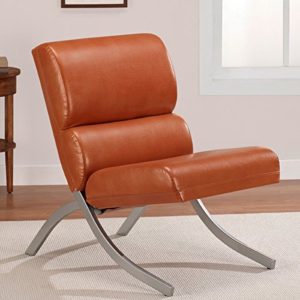
Favor smooth-surfaced furniture (faux-leather, microfiber) over cloth upholstery, hard surfaced flooring over carpeting, metal or wood window treatments over draperies. Reducing clutter is essential to keeping dust down.
Vegan chairFaux-leather ChairFaux-leather white sofa
Check for leaky clothes dryer vents.
Implement a no-shoe-policy to reduce bringing outdoor pollutants.
Showering in the evening will reduce dust particles deposited from hair onto pillows, linens and into the bedroom.
For people who work outdoors and/or in polluted environments i.e. farmers, gardeners, carpet cleaners, mechanics, pest control applicators, construction workers and people who work in basements often like plumbers, heating & cooling contractors, pest control applicators etc., removing work clothes immediately upon returning home is essential to prevent “shedding” mold fragments, road dust, mouse and cat allergens, pesticides, etc. from clothing and hair. Use tacky mats and have shoe covers available when workers are going in and out of the house.
Most importantly, never let your cleaning service use its own vacuum cleaner in your home. The majority of vacuums leak very fine particles into the air, adding pollutants in your home from warehouses with rodents, office buildings with pesticide applications, and homes with mold and dander. If dust is going to be leaked in your home from a vacuum, it should be your dust, better yet, buy a non-leaky vacuum like Miele or Sebo.