Indoor Environmental Testing In Knoxville
Providing Expert Mold And Air Quality Inspections In Knoxville, TN
 If you are a resident of Knoxville, TN in search of an environmental home inspector that provides expert mold inspection and air quality testing, then look no further. We’ve been serving Knox County for over 10 years and have been providing professional Environmental Home Inspection Services. We are proud to deliver the highest quality Indoor Environmental Testing in Knoxville metropolitan area.
Mold Inspection Knoxville
Our mold inspection services in Knoxville are great for indoor environments where individuals experience chronic symptoms such as sinus infection, asthma, chronic fatigue, headaches, scratchy throat, mental fog, skin rashes, or if unusual odors are present. Residents in Knoxville rely on on us for quality Knoxville mold testing. Knoxville and the surrounding area are just some of the many areas we provide mold inspection in Knox County.
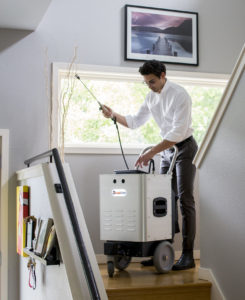
Part of our mold inspection Knoxville services include a detailed examination of your property for mold. We thoroughly inspect your walls and ceilings with an infrared camera, conduct a walk through of home with special attention to areas around plumbing or water appliances (dishwasher, fridge ice maker, showers, vanities, laundry, etc.) and we conduct interviews with the occupants to identify the presence of mold.
Mold Remediation Knoxville
Many people ask “Can you remediate mold yourself?” Mold and the presence of fungi can be life threatening. Mold remediation is a task that is better suited for a mold remediation professional. Our expert mold inspectors in Knoxville will help assess and exam your property and let you know if remediation is the best answer.
Dangerous Mold In Your Knoxville Home
Black mold is dangerous with the ability to bring about serious damage on your home and the people inside. As always, the young, elderly, and chronically ill are most likely to suffer from any type of mold exposure. Be assured that our mold inspection & testing in Knoxville is of the highest quality sampling for both the inside and outside air.
Knoxville Indoor Air Quality Assessment
Indoor Air Quality (IAQ) Assessment is the process of testing air quality in the home for biological contaminants. Testing for biological contaminants include:
- Molds
- Bacteria
- Household dust for pollutants and allergens
- Formaldeyhde
- VOCs (chemical offgasing)
Our comprehensive programs to improve Indoor air quality are focused on identifying the contaminants causing the issue. We use several methods to test for chemicals and pollutants using equipment that measures the concentrations of a specific contaminant.
Indoor Air Quality testing in Knoxville is done by appointment only. If you are in need of an IAQ assessment right away please contact us below.
Environmental Home Inspections Near Knoxville, TN
Our indoor mold testing and air quality assessments are focused on every potential factor that could impact your indoor air quality’s overall quality. Since we are much more than an Indoor Environmental Testing company near Knoxville, you can rest assured that your home will receive the quality inspection you need. What makes us unique is that we offer a variety of home environmental testing services.
Indoor Environmental Testing Services Include:
- Indoor Air Quality Assessment
- Mold Inspection
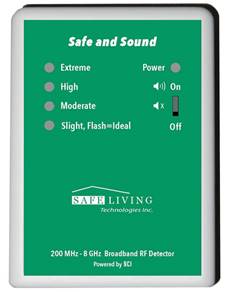
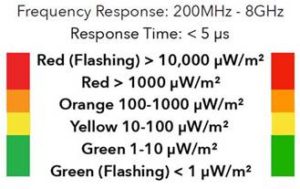
- EMF Testing
- Odor Investigations
- Water Damaged Buildings
- Sick Buildings
- Electro-pollution Mitigation
Indoor Environmental Testing Inc. near Knoxville offers in depth comprehensive programs and affordable inspection solutions. Our attention to detail makes us a perfect choice for detecting defects and hidden mold in homes.
Proudly Inspecting Homes In Knoxville And The Surrounding Area
Surrounding Areas
Indoor Environmental Testing Inc. is conveniently located in Knoxville. We service Knox County and the surrounding metropolitan areas including:
The Best Indoor Environmental Testing In Knoxville
Indoor Environmental Testing Inc. is the best home environmental testing company in Knoxville. We are passionate about providing our clients with quality home environmental testing that will detect environmental poisons throughout your home and in the air. Our passion combined with the quality home inspection services you will receive is what makes us the best choice for mold inspection and air quality testing in Knoxville.
Additional Environmental Testing Services
We provide additional environmental testing in Knoxville. Environmental pollutants are a risk we all face from day to day. Pollutants outdoors can affect your indoor air quality putting you and your family at risk of illness.
Additional testing includes:
- Pesticide Testing
- Water Testing
- Soil Testing
- Odor Investigation
For more information on our Environmental testing services near you contact us below.
Contact Us
Indoor Environmental Testing Inc.
(865) 888-8864